

Lifting Clamps
Fulcrum Lifting supplies a full range of lifting clamps designed to promote safe, efficient material handling across industrial, construction, and manufacturing environments. Our offerings include vertical, horizontal, beam, non-marring, and other specialty clamp types to meet varied load requirements. Each clamp is sourced from trusted manufacturers and tested for safety and performance. Whether you're lifting steel plate, pipe, drums, or beams, we’ll help you choose the right clamp for the job.

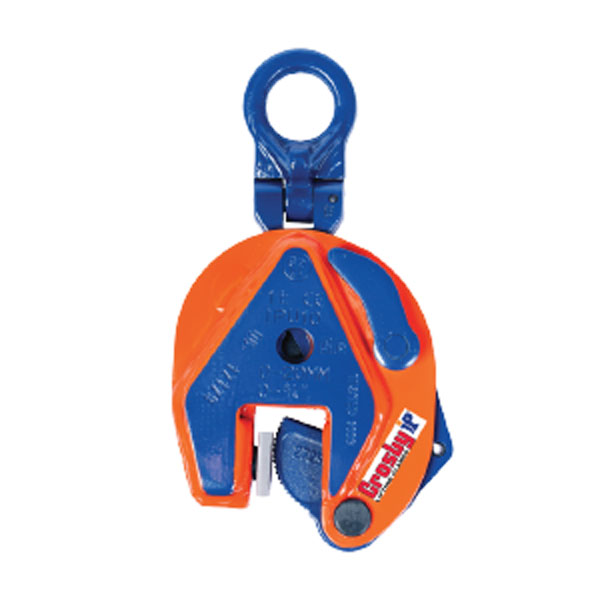
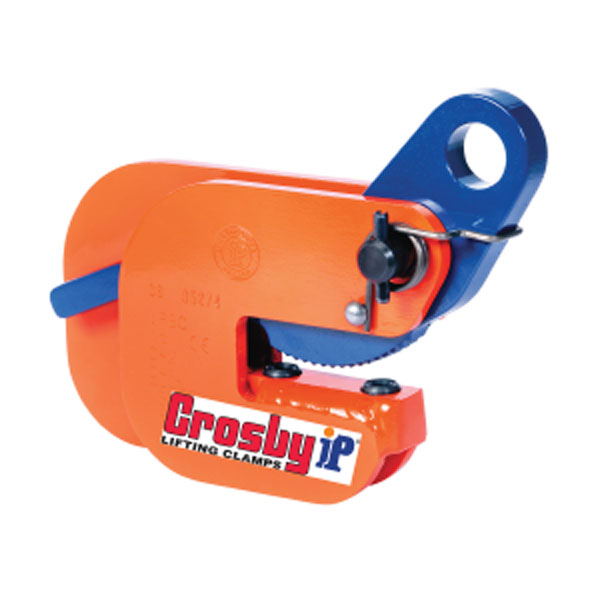
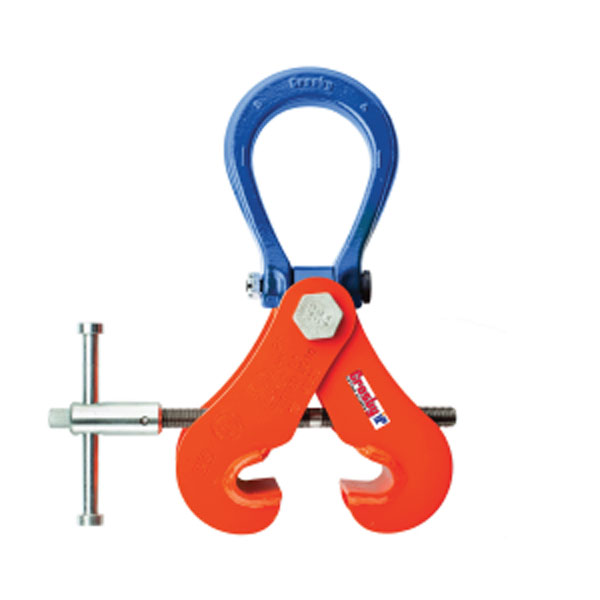
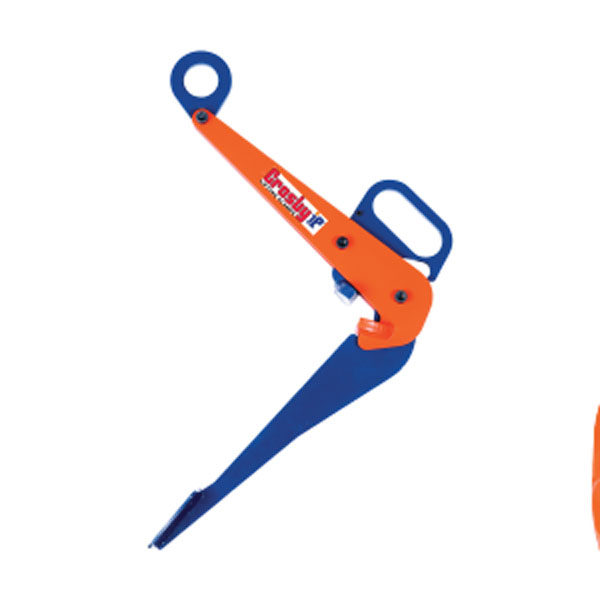
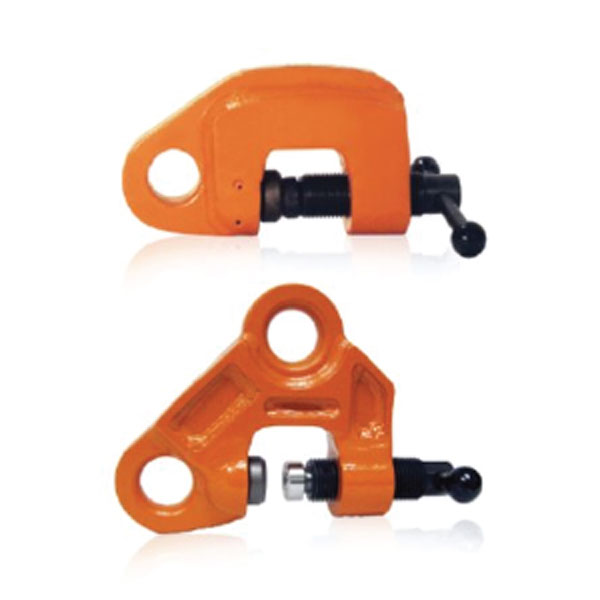
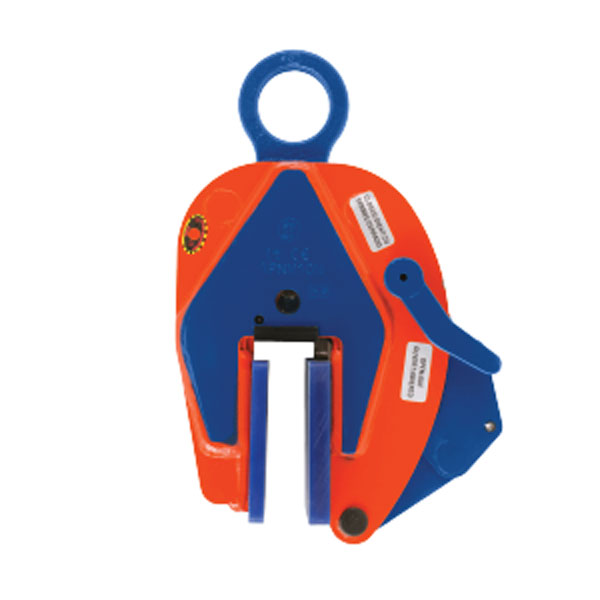
Types of Lifting Clamps
Vertical Clamps
Vertical lifting clamps are built for secure handling of plate and fabricated components in a standing orientation. These clamps are equipped with locking mechanisms to maintain a safe grip during load engagement and release. We carry options rated for different plate thicknesses and finishes, including clamps from Crosby, Terrier, and J.C. Renfro & Sons.
Horizontal Clamps
We supply matched sets of horizontal plate clamps for safe handling of flat steel in a horizontal position. These are ideal for moving plates in and out of storage racks, burning tables, and welding bays. Most are used in pairs with a spreader beam to maintain load balance. Customers rely on us to provide clamp sets that meet site-specific lifting specs.
Beam Clamps
Beam clamps are ideal for lifting, transferring, and stacking a wide variety of steel beams, including I-beams, H-beams, angle iron, and structural beams.
Pull Clamps
We offer pull clamps, or positioning clamps, designed to pull and align structural members such as beams, columns, and tension structures, frames, trusses, walls, and fabricated sections in various industries. Pull clamps also help assemble steel plates and welded sections, as they are versatile with a wide jaw opening that is secured to the load by tightening the screw.
Non-Marring Lifting Clamps
When you need to lift and transport stainless steel, wood, marble, glass, copper, aluminum, and other polished metal plates, our non-marring clamps have smooth gripping surfaces that prevent deformation and allow for safe lifting. These clamps are recommended to be used in pairs.
Screw Clamps
We supply screw clamps for positioning, pulling, and turning plates or fabrications. The screw clamps we distribute feature a screw thread mechanism with a threaded spindle and pivots.
Drum Lifters
Drum lifters are designed for the vertical lifting and transporting of metal drums. Drum lifting clamps are equipped with a locking device that secures the clamp tightly to the drum. Drum lifting clamps can lift one to four drums at a time, depending on the model.
We’re Here to Help
Fulcrum lifting is dedicated to delivering top-line quality products, building professional relationships with our customers, providing superior product knowledge, and offering industry specific services to exceed the needs of our customers.
Product NotificationsBrands We Offer
Fulcrum Lifting offers lifting clamp devices from trusted manufacturers, including:
- Campbell
- The Crosby Group®
- J.C. Renfro & Sons
- Pewag
- Safety Clamp
- SpanSet
- Terrier Lifting Clamps & Equipment
Browse our catalog to see our full selection of lifting clamps and more, as well as a complete list of manufacturers we partner with.
3 Common Lifting Clamp Mistakes to Avoid
At Fulcrum Lifting, our top priority is providing lifting solutions that keep your operations efficient, compliant, and most importantly, promote safety. Supporting safe lifting practices starts with the type of lifting clamps you choose for your application.
Avoid these common lifting clamp mistakes to keep your workplace safe and efficient:
- The load weight is too heavy or too light: Not only is it important to choose a clamp that can bear the weight of the load, but it’s also important to make sure the load follows the manufacturer's minimum weight recommendation as well. Lifting too light a weight can lead to slipping and dropping the materials, creating a major safety hazard.
- The clamp isn’t designed to lift the material: The kind of clamp you choose depends on the material you're lifting. If you’re lifting a smooth material like glass or stainless steel, but you don’t use a clamp with teeth or grips, you could drop the load during transport.
- Your clamp needs to be replaced: Over time, clamps can wear down. Before lifting a load, always check your clamp to make sure it’s free of fractures, deformities, and corrosion.
Get a Quote on Clamps Today
With over four decades of experience, Fulcrum Lifting has earned the trust of professionals who require both equipment and an expert partner. From our extensive inventory and in-house fabrication capabilities to our regional service centers and personalized support, we offer everything you need to lift with confidence.
If you’re ready to upgrade your lifting clamps, we’re here to help. Use our quote cart feature to request a custom quote or speak with a product specialist today.

Services
Fulcrum Lifting offers a variety of services related to rigging gear and equipment to help ensure safe and efficient lifting operations.
Learn more
Industries
Although we service a niche market, our products and services can be utilized in a vast number of industries. We think of rigging applications anytime we observe the movement or securement of materials – which is just about everywhere.
Learn moreFrequently Asked Questions
What are lifting clamps used for?
Lifting clamps are rigging tools that are used to lift heavy loads, like machinery, pipes, steel plates, and more. The unique design of our lifting clamps allows for a secure grip, ensuring safety in your workplace.
What type of lifting clamp do I need?
When choosing a lifting clamp, it’s important to consider factors like load capacity and clamp dexterity. For example, if you’re lifting materials with a smooth surface, such as stainless steel, non-marring clamps would be ideal because of their gripping properties. The experts at Fulcrum Lifting can help you determine which of our clamps is best suited to your needs.
How do I tell what the load capacity of a lifting clamp is?
Most lifting clamps have the load capacity engraved on the clamp itself. If you’re not sure what load capacity you need for a specific application, ask about our load testing services.