

Cordage & Utility Rope
The right rope is grip, control, energy management, and a safeguard against small mistakes turning into expensive problems. Fulcrum Lifting supplies cordage designed for use across marine and towing environments, with rope construction and fiber options that help match the rope to the load, the hardware, and the conditions.
Whether you need cordage for lifting, working lines for towing and mooring, or utility safety ropes that hold up to rough handling, the goal stays the same: predictable performance you can plan around.

Choose Cordage by How It Behaves Under Load
When selecting cordage, one must first consider how the rope changes once tension comes in, including the following factors:
- Elongation and Rebound: How the rope stretches, how it recovers, and how that affects control
- Abrasion and Heat Tolerance: How the rope holds up around chocks, bitts, fairleads, and winch drums
- Handling and Inspection: How easily crews can coil, splice, and visually check for wear
- Strength Efficiency: How much capacity you gain without adding bulk and weight
Construction and material must work together when considering cordage for industrial applications. A rope that feels right in hand can still be a poor fit if it stores too much energy, creeps over time, or reacts badly to repeated bending.
Rope Materials & Their Traits
Fiber choice shapes how cordage behaves in real conditions, especially around water, sun exposure, and hardware contact points.
- Nylon: Known for elasticity and shock absorption, often chosen when dynamic loading is part of the job
- Polyester: Valued for stability and controlled stretch, often selected for steady loads and predictable handling
- Polypropylene: Lightweight and often buoyant, commonly used where flotation is beneficial
- Polydac (Poly Dacron): A synthetic option that can offer a practical blend of handling and durability
- Manila: A traditional natural fiber option used in certain utility contexts
- HMPE (High Modulus Polyethylene): High strength efficiency with low stretch, often used for winch lines, towing bridles, and demanding recovery setups
The right material is the one that matches your load profile and how the rope will be used, stored, and inspected.
| Rope Working Characteristics |
Types of Ropes | |||||
| Manila | Polypropylene | Nylon | Polyester | Polydac (Poly Dacron) |
HMPE (High Modulus PolyEythelene) |
|
| Strength | Fair | Very Good | Excellent | Excellent | Very Good | Excellent |
| Shock Load | Fair | Very Good | Excellent | Excellent | Very Good | Excellent |
| Surface Abrasion | Good | Good | Very Good | Excellent | Very Good | Good |
| Elasticity | Fair | Good | Excellent | Very Good | Very Good | Excellent |
| Floats | No | Yes | No | No | Yes | Yes |
| RESISTANCE TO: | ||||||
| Rot & Mildew | Poor | Excellent | Excellent | Excellent | Excellent | Excellent |
| Sunlight | Excellent | Fair | Good | Excellent | Very Good | Very Good |
| Oil & Gas | Fair | Excellent | Excellent | Excellent | Good | Good |
| Acids | Poor | Excellent | Fair | Very Good | Good | Good |
| Alkalis | Poor | TBD | Excellent | Good | Good | Very Good |
| Storage Wet/Dry | Dry Only | Wet or Dry | Wet or Dry | Wet or Dry | Wet or Dry | Dry Only |
| Affected by Heat at | Weakens at 300° | Weakens at 150° | Weakens at 350° | Weakens at 300° | Varies | Weakens at 150° |
Cordage Types Available
Rope construction plays a direct role in how cordage responds once it's put to work. Twist, braid, and strand layout influence elongation, load sharing, abrasion behavior, and how easily a line can be inspected over time. Fulcrum Lifting offers various cordage options to find the type that best fits your application.
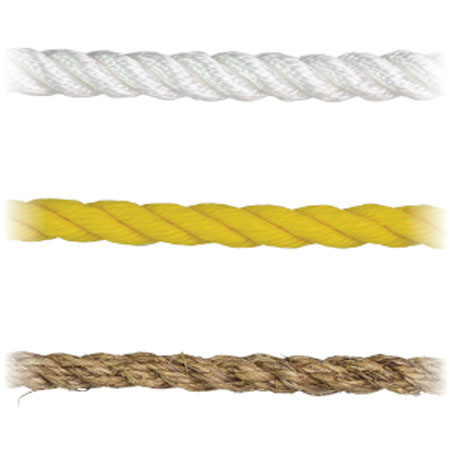
3-Strand Rope
3-strand is a laid construction that many crews trust because it behaves in a familiar, readable way. It's easy to handle, easy to splice, and easy to inspect, which matters when lines are constantly in rotation. In marine environments, 3-strand is often chosen for utility jobs where reliable grip and straightforward maintenance are priorities.
Common material options include manila, nylon, polyester, polydac, and polypropylene, each shifting the balance between stretch, water, and abrasion resistance.
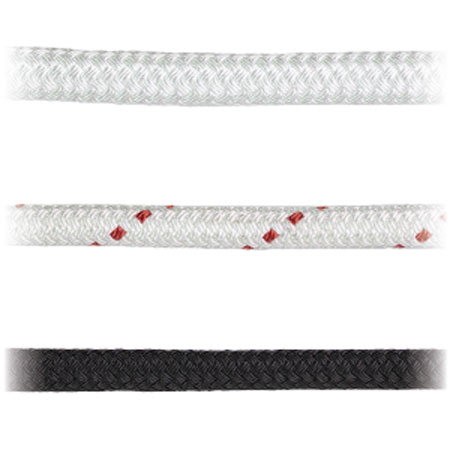
Double Braid Rope
Double braid, often called braid-on-braid or marine rope, uses a braided core with a braided cover. Load distribution across both elements supports smooth handling and stable behavior under steady tension. This construction is widely used for docking, mooring, and towing scenarios where line management, wear patterns, and consistent feel matter over long cycles of use.
Double braid is commonly supplied in nylon, polyester, and HMPE options, depending on whether shock absorption or higher strength efficiency is the main driver.
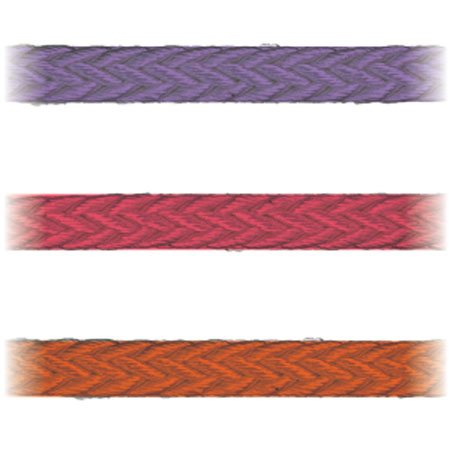
12-Strand Rope
12-strand rope is made from twelve braided strands that form the body of the line. It's frequently selected for its strength-to-weight advantage and low-stretch performance, especially when line control is critical. In towing and recovery work, 12-strand constructions, including HMPE variants, can provide high capacity with reduced diameter, which can matter for winch compatibility and handling.
This type is often used where abrasion management, chafe protection strategies, and inspection routines are tightly linked to safety and service life.
We’re Here to Help
Fulcrum lifting is dedicated to delivering top-line quality products, building professional relationships with our customers, providing superior product knowledge, and offering industry specific services to exceed the needs of our customers.
Product Notifications
Our Cordage Brands and Approvals
Fulcrum Lifting supplies rigging rope from respected manufacturers, including Cortland, Phillystran, Sunshine Cordage, Erin Rope, and Yale Cordage. Cordage options are available with ABS and DNV-type approvals, supporting programs that value documentation, traceability, and confidence in the product’s pedigree.
Share your application and we’ll help you identify and source the appropriate rope for your application.
Frequently Asked Questions About Cordage & Utility Rope
How do I know when synthetic rope should be removed from service?
Retirement decisions depend on visible wear patterns, changes in surface texture, localized abrasion, heat glazing, and how the rope has been loaded over time. Regular inspection helps identify these indicators early, before strength or handling becomes unpredictable.
Can cordage be custom-cut or prepared for specific applications?
Yes. Cordage can be supplied in specific lengths and configurations to suit towing setups, winch drums, or fixed installations. Preparing rope to match the application helps reduce waste and supports safer, more consistent use.
Does water exposure affect the working life of rope?
Prolonged exposure to water, salt, and UV can influence rope performance depending on the fiber type. Material selection and inspection frequency both play a role in maintaining long-term reliability in marine environments.

Services
Fulcrum Lifting offers a variety of services related to rigging gear and equipment to help ensure safe and efficient lifting operations.
Learn more
Industries
Although we service a niche market, our products and services can be utilized in a vast number of industries. We think of rigging applications anytime we observe the movement or securement of materials – which is just about everywhere.
Learn more